• Skip to primary navigation
  • Skip to main content

Skin Care & Laser Dermatology Clinic | Dr. Derek Jones : Los Angeles, Beverly Hills

Skin Care and Laser Dermatology Clinic, led by Dr. Derek Jones, offers a wide array of services in general and cosmetic dermatology. Contact our dermatologists in Los Angeles and book a consultation today!

  • 310.246.0495
  • Book Online
  • About Us
    • Our Physicians
      • Dr. Derek Jones
        • Dr. Derek Jones' CV
        • Publications, Posters & Presentations
        • Dr. Jones In the Media
        • Research
      • Dr. Nassian Wesley
        • Dr. Wesley's CV
        • Dr. Wesley in the Media
        • Dr. Naissan Wesley – Dermatology Research in Beverly Hills
      • Dr. Ardalan Minokadeh
        • Dr. Minokadeh's CV
      • Dr. Cory Kosche
        • Dr. Kosche's CV
    • Our Esthetician
    • Our Blog
    • Testimonials
    • Insurance Information
  • Surgical & Medical Dermatology
        • Medical Dermatology
          • All Dermatology Services
          • Acne
          • Rosacea
          • Skin Cancer Screening
          • Moles
          • Eczema
          • Psoriasis
          • Melasma & Hyperpigmentation
          • Hair Loss
          • Skin Infections
          • Tinea Versicolor
          • Hidradenitis Suppurativa
          • Skin Tags
          • Growths (Cysts & Lipomas)
          • Keloids / Scars
          • Common Warts
          • Genital Warts
          • Alopecia Areata
          • Vitiligo
          • Dandruff / Seborrheic Dermatitis
          • Dry Skin
          • Folliculitis
          • Hives / Urticaria
          • Nail Fungus
        • Surgical Dermatology
          • Mohs Micrographic Surgery
          • Skin Cancer Treatment
          • Cyst Excision
          • Lipoma Excision
          • Photodynamic Therapy
          • Melanoma
  • Aesthetic Dermatology
        • Botox and Similar Products
          • BOTOX®
          • Jeuveau™
          • Daxxify™
          • XEOMIN®
          • DYSPORT®
        • Fillers
          • Collagen & Dermal Fillers
            • Juvéderm Voluma™ XC
            • Juvéderm® Ultra
            • Juvéderm® Vollure
            • Juvéderm® Volbella® XC
            • Juvéderm® Volux™
            • Restylane®
            • Evolysse®
            • RHA®
            • Belotero Balance®
            • Radiesse®
            • SCULPTRA®
        • Lasers
          • Laser Skin Resurfacing
            • Intense Pulsed Light (IPL)
            • AVAVA™
            • VBEAM & Excel V
            • Fraxel® Dual
            • UltraPulse™ CO2
            • Clear + Brilliant
          • Laser Hair Removal
          • Microneedling and PRP
        • Other Procedures
          • Coolsculpting® Fat Reduction
          • Kybella®
          • Sclerotherapy
        • Aesthetic Services
          • Medical Esthetician Services
          • Chemical Peels
          • HydraFacials
          • Facials
          • Microdermabrasion
          • Meet Lola Ceballos
  • Areas of Interest
        • Anti-Aging
          • Midface Volume
          • Hollow Temples
          • Frown Lines
          • Smile Lines
          • Deep Wrinkles
          • Double Chin
          • Fine Line & Wrinkles
          • Crows Feet
          • Jawline Fillers
          • Chin Fillers
          • Lip Fillers
          • Lip Lines (Smoker Lines)
          • Facial Veins
          • Hair Loss Treatment
          • Hair Removal
          • Hand Rejuvenation
          • Neck Bands
          • Skin Laxity & Volume Loss
          • Skin Texture
          • Spider & Varicose Veins
          • Sun Damage Treatment
        • General Conditions
          • Acne
          • Acne Scars / General Scars
          • Excessive Sweating Treatment in Beverly Hills
          • Facial Cyst Removal
          • Freckle, Birthmark, and Port Wine Stains
          • Gummy Smile
          • Hair Loss Treatment
          • Melasma Treatment
          • Pearly Penile Papules (PPP)
          • Precancerous Lesions
          • Rosacea / Broken Blood Vessels
          • Seborrheic Keratosis
          • Skin Cancer Prevention
        • Body
          • Coolsculpting® Fat Reduction
  • Galleries
    • Photo Gallery
    • Video Gallery
  • Contact
    • Contact Us
    • Patient Resources
    • Patient Forms
    • Pay Bill

Surgical Dermatology

Skin Cancer Treatment in Beverly Hills

August 28, 2026 by nataliebirch

A skin cancer diagnosis comes with more than one path forward, and the right treatment depends on the tumor’s type, size, location, and how aggressively it’s behaving. At Skin Care & Laser Physicians of Beverly Hills, our Board-Certified, Cosmetic Fellowship-Trained Dermatologists, including a fellowship-trained Mohs surgeon, walk through every option so you understand not just what’s being recommended, but why.

Matching Treatment to Tumor Type

Treatment recommendations are built around the specific diagnosis. Options include:

  • Mohs micrographic surgery for tumors on the face and other high-risk or cosmetically sensitive areas
  • Standard excisional surgery for tumors in lower-risk locations
  • Topical chemotherapy or immunotherapy
  • Injectable medications

Why the Right Fit Matters

Not every skin cancer needs the same treatment, and using a more involved procedure than necessary, or a less thorough one than the tumor calls for, both carry downsides. Our physicians match the treatment to the tumor’s actual behavior and location, reserving Mohs surgery for the cases where its precision genuinely changes the outcome, and using more straightforward approaches when they’re equally effective.

Are You a Candidate?

Any patient with a confirmed or suspected skin cancer diagnosis benefits from a treatment consultation before proceeding. Schedule a consultation at our Beverly Hills practice to discuss the most appropriate treatment for your specific diagnosis.
Schedule Your Consultation at Our Beverly Hills Practice

Photodynamic Therapy in Beverly Hills

August 28, 2026 by nataliebirch

Photodynamic therapy, or PDT, combines a photosensitizing solution with a specific wavelength of light to target precancerous cells, sun damage, and acne-causing activity beneath the surface of the skin. It’s one of the more effective options for treating widespread actinic damage that would otherwise mean freezing dozens of individual spots one at a time. At Skin Care & Laser Physicians of Beverly Hills, our Board-Certified, Cosmetic Fellowship-Trained Dermatologists use PDT to treat both the visible damage and the damage that hasn’t shown up yet.

How Photodynamic Therapy Works

PDT is a two-part process, and both parts matter to the outcome:

  • A photosensitizing solution, aminolevulinic acid (ALA), is applied to the treatment area
  • The solution incubates for a set period, allowing it to concentrate in abnormal and sun-damaged cells
  • A specific wavelength of light, typically blue light or intense pulsed light, activates the solution
  • Activation destroys the targeted cells while leaving surrounding healthy skin largely unaffected

What PDT Treats

PDT is most often used for:

  • Actinic keratosis, particularly when spots are numerous or widespread
  • Extensive sun damage and photoaging across the face, chest, and scalp
  • Treatment-resistant or cystic acne, by targeting overactive oil glands

What to Expect

A PDT session at our Beverly Hills practice includes:

  • Cleansing and preparation of the treatment area
  • Application of the photosensitizing solution and an incubation period, typically thirty minutes to a few hours
  • Light activation, which takes several minutes and can cause a warm or stinging sensation
  • Redness and peeling for three to seven days afterward as treated cells clear

Why Sun Avoidance Matters After Treatment

The photosensitizing solution stays active in the skin for a period after treatment, which means unprotected sun exposure during that window can trigger a significant reaction. Our physicians walk through a strict avoidance protocol before you leave the office, and given how much sun Los Angeles gets year round, this is the step patients most need to plan around rather than the treatment itself.

Adding IPL

For patients with significant lentigines, we also offer PDT activated with intense pulsed light (IPL) rather than the standard blue light. The Levulan solution works the same way in both cases, concentrating in sun-damaged cells before light exposure triggers their breakdown, but IPL’s broader spectrum also targets pigment and small vessels directly as it activates the solution. That combination gives a more pronounced improvement in lentigines and overall skin tone than blue light PDT alone, making it a better fit for patients whose main concern is visible sun damage rather than actinic keratosis. Our physicians determine which activation light suits your goals during your consultation.


Are You a Candidate?

Patients with widespread actinic keratosis, significant sun damage, or acne that hasn’t responded to other treatment are frequently excellent candidates for PDT. Schedule a consultation at our Beverly Hills practice to find out whether it’s the right fit for your skin.

Schedule Your Consultation at Our Beverly Hills Practice

Lipoma Excision in Beverly Hills

August 28, 2026 by nataliebirch

Lipomas are soft, slow-growing, benign fatty tumors, and most patients notice them as a painless lump that moves easily under the skin. While the vast majority never cause a medical problem, removal is a common request for lipomas that are enlarging, uncomfortable, or simply visible in a way patients would rather not deal with. At Skin Care & Laser Physicians of Beverly Hills, our Board-Certified, Cosmetic Fellowship-Trained Dermatologists provide precise, same-visit lipoma excision.

Do Lipomas Need to Be Removed?

Most lipomas are entirely benign and can simply be monitored, but removal is often recommended when:

  • The lipoma is growing noticeably over time
  • It’s causing pain, pressure, or restricted movement depending on its location
  • Its diagnosis isn’t entirely clear on exam alone
  • It’s cosmetically bothersome to the patient

A lipoma that’s rapidly growing, unusually firm, or deeply fixed to underlying tissue warrants closer evaluation, since these features are less typical of a straightforward lipoma.

What to Expect

Lipoma excision is performed under local anesthesia. The procedure includes:

  • A small incision over the lipoma
  • Careful excision of the entire fatty mass, capsule included
  • Sutures to close the incision
  • Recovery that’s typically quick, with sutures removed within one to two weeks

Confirming It’s Truly a Lipoma

The overwhelming majority of soft, mobile, slow-growing lumps that feel like lipomas are exactly that. Our physicians examine the growth’s texture, mobility, and growth pattern before recommending removal, and any lipoma with atypical features is evaluated further before proceeding, since a thorough exam upfront is what makes straightforward removal possible.

Are You a Candidate?

Any patient with a growing, uncomfortable, or cosmetically bothersome lipoma is a candidate for excision. Schedule a consultation at our Beverly Hills practice to have it evaluated and removed.

Schedule Your Consultation at Our Beverly Hills Practice

Cyst Excision in Beverly Hills

August 28, 2026 by nataliebirch

Cysts on the body, scalp, and face are common, benign growths. Draining a cyst brings temporary relief, but the cyst reliably comes back, because the sac that produces it is still there. Excision removes the entire cyst wall along with its contents, which is the only approach that actually resolves it for good. At Skin Care & Laser Physicians of Beverly Hills, our Board-Certified, Cosmetic Fellowship-Trained Dermatologists perform cyst excision as a straightforward, same-visit procedure.

Why Excision, Not Just Drainage

A cyst is more than the fluid or keratin inside it. Key considerations include:

  • The cyst wall, or sac, is what continues to produce material and cause recurrence if left behind
  • Draining alone empties the cyst but leaves the sac intact
  • Inflamed or infected cysts are sometimes drained first to calm the area before definitive excision
  • Complete excision offers the only permanent resolution

What to Expect

Cyst excision is performed under local anesthesia in the office. The procedure includes:

  • A small incision to access and remove the entire cyst sac
  • Sutures to close the incision, typically removed within one to two weeks
  • Straightforward aftercare with minimal downtime

Timing Matters

An inflamed or actively infected cyst often heals more cleanly if it’s calmed down first, sometimes with a short course of antibiotics or a drainage procedure, before the sac is fully excised. Our physicians will let you know whether your cyst is ready for definitive removal now or whether a short interim step will give you a better cosmetic result.

Are You a Candidate?

Any patient with a cyst that keeps recurring, has become bothersome, or has been drained before without lasting resolution is a candidate for excision. Schedule a consultation at our Beverly Hills practice to have it removed for good.

Schedule Your Consultation at Our Beverly Hills Practice

Treating Melanoma in Los Angeles

June 10, 2026 by nataliebirch

Explore Your Care Options in Beverly Hills

Skin Care and Laser Physicians has provided trusted melanoma treatment in Beverly Hills and neighboring areas of Los Angeles for many years. Our team is highly skilled in supporting patients on their journey toward restored health and confidence. With a longstanding focus on excellence and forward-thinking care, we continue to stay at the forefront of medical advancements, offering the most up-to-date options for treating melanoma available today, all while remaining mindful of affordability. When you come in for a one-on-one consultation about treating melanoma, our Los Angeles-based, Board-Certified and Cosmetic Fellowship-Trained Dermatologists will perform a thorough evaluation to determine the best course of care tailored specifically to your needs.

Noticing any new, changing, or unusual spots on your skin? Contact us if you would like to learn more about treating melanoma in Los Angeles. Fill out a contact form or call our office at 310.246.0495 to request a consultation.

Treating Melanoma: What You Need to Know About This Serious Skin Cancer

Melanoma, also called malignant melanoma, is a dangerous form of skin cancer that arises from melanocytes—the cells that produce your skin’s pigment. Treating melanoma early is crucial because these cells can grow uncontrollably and spread quickly. Although less common than other skin cancers, melanoma is the most serious due to its high risk of spreading if not caught in time. Treating melanoma promptly improves the chances of successful outcomes and helps prevent the cancer from advancing to other parts of the body. Staying aware of the signs and seeking expert care are key steps in effectively treating melanoma.

Treating Melanoma Begins with Early Detection: Know the Signs and Symptoms

At our practice, we believe that early detection is the most important step in achieving the best possible outcome when it comes to melanoma treatment. This aggressive form of skin cancer can often be treated successfully, especially when identified in its earliest stages. That’s why understanding what to look for is essential. Melanoma may develop as a new spot on the skin or as changes to an existing mole.

Wondering, “What does melanoma look like?” We encourage patients to become familiar with the ABCDEs of melanoma: Asymmetry, irregular Borders, multiple or unusual Colors, Diameter larger than 6mm, and any mole that is Evolving over time. If you notice a lesion that is changing, itching, bleeding, or simply looks different from the rest, it’s important to have it evaluated promptly.

Our Board-Certified and Cosmetic Fellowship-Trained Dermatologists specialize in identifying and treating melanoma and other forms of skin cancer with precision and care. Through advanced diagnostic tools and expert clinical judgment, we aim to detect melanoma early—when it is most treatable—and guide you through your care with clarity and confidence. If you’re concerned about a spot or lesion, we welcome you to schedule an evaluation and take a proactive step toward protecting your skin health.

What are the Main Options for Treating Melanoma?

Wondering, “What happens next if you are diagnosed with melanoma?” Today’s methods of treating melanoma offer more hope than ever before—especially when guided by early detection and personalized care. As of 2025, treatment plans are increasingly tailored to each patient’s specific diagnosis, with advancements that combine proven techniques and emerging innovations. For early-stage melanoma, surgical excision remains the gold standard, often performed in-office with excellent outcomes. In cases where tissue preservation is a priority, Mohs micrographic surgery may be recommended for treating melanoma, particularly for skin cancer tumors on cosmetically sensitive areas like the face.

For more advanced or aggressive cases, systemic therapies continue to evolve. Immunotherapy—particularly checkpoint inhibitors—has shown remarkable success in helping the body’s own immune system target and destroy cancer cells. Targeted therapies, which act on specific genetic mutations such as BRAF, are also widely used and often well-tolerated. More recently, combination approaches using both immunotherapy and targeted medications have become more refined, offering greater precision and fewer side effects.

Early Intervention and Compassionate Care when Treating Melanoma in Beverly Hills

At our practice, we take a comprehensive and compassionate approach to treating melanoma. Our Board-Certified Dermatologists and oncology partners work closely with you to determine the most effective course of action, always prioritizing both your health and quality of life. If you have questions about your diagnosis or treatment options for melanoma, we’re here to help.

Skin Cancer Treatment in Beverly Hills

June 10, 2026 by nataliebirch

Comprehensive Prevention and Expert Surgical Care in Los Angeles

Skin Care & Laser Physicians of Beverly Hills has been providing expert treatment for skin cancer in Los Angeles for nearly a decade, offering advanced care to patients in Beverly Hills and the surrounding communities.

Our physicians are Board-Certified in Dermatology and Fellowship-Trained in both Cosmetic Dermatology and Dermatologic (Mohs) Surgery, ensuring a level of expertise and precision that sets our practice apart.

When a skin biopsy confirms the presence of malignant cells, our dermatologists tailor a treatment plan based on the specific type, location, extent, and aggressiveness of the cancer—as well as the patient’s overall health. The primary goals of treatment are complete cancer removal, minimized risk of recurrence, preservation of healthy skin, and optimal cosmetic outcomes.

During your visit, we will perform a thorough evaluation to determine the most effective approach to both treat the cancer and maintain the natural appearance of your skin.

Ready to take the next step in skin cancer treatment at Los Angeles’ Skin Care and Laser Physicians of Beverly Hills? Contact us online or call 310.246.0495.

Our physicians are Board-Certified Dermatologists with advanced Fellowship Training in cosmetic dermatology and dermatologic (Mohs) surgery—and they personally perform every procedure to ensure expert, individualized care.

What Is Skin Cancer and What Causes It?

Skin cancer is the result of abnormal cell growth in the outer layers of the skin, typically caused by damage to the DNA within those cells. This damage triggers mutations that lead to uncontrolled growth, often presenting as lesions, bumps, or rough patches that evolve over time. But what causes skin cancer, exactly? The most common culprit is prolonged exposure to ultraviolet (UV) radiation from the sun or tanning beds, which breaks down cellular DNA and impairs the skin’s natural repair mechanisms.

In addition to UV radiation, other skin cancer causes include fair skin, a history of sunburns, a weakened immune system, exposure to carcinogenic chemicals, and chronic inflammation or injury to the skin. Genetics can also play a role, particularly if you have a family history of skin cancer. While some risk factors can’t be changed, many are controllable—and with proper sun protection and regular dermatologic screenings, skin cancer is often preventable and highly treatable when caught early.

At Skin Care & Laser Physicians of Beverly Hills, our Board-Certified and Cosmetic Fellowship-Trained Dermatologists combine expertise in skin cancer surgery with a commitment to cosmetic excellence and compassionate care. If you’ve noticed a suspicious spot or are due for your annual skin check, schedule a consultation today. Let’s work together toward skin cancer prevention, detection, and long-term skin health.

What Are the Most Common Symptoms of Skin Cancer?

Recognizing the symptoms of skin cancer early is key to timely diagnosis and treatment. So, what does skin cancer look like? It often appears as a new or changing growth on the skin—such as a mole that changes shape or color, a rough or scaly patch, a non-healing sore, or a bump that bleeds or crusts. These signs may develop slowly over time or emerge more suddenly, depending on the type of skin cancer involved.

As for how skin cancer affects you, the impact varies by cancer type and how early it’s detected. In its early stages, skin cancer typically causes localized symptoms, such as a visible lesion or irritation in sun-exposed areas. Left untreated, some forms—like melanoma—can spread deeper into the skin and to other parts of the body, affecting lymph nodes and internal organs. This is why early detection is critical.

If you notice a skin change that doesn’t heal, bleeds repeatedly, or continues to evolve in shape, color, or size, it’s important to consult a board-certified dermatologist. Prompt evaluation and biopsy can distinguish harmless spots from cancerous lesions—and pave the way for effective treatment.

How to Spot Skin Cancer: The ABCDEs of Melanoma

Recognizing the early signs of skin cancer can lead to faster diagnosis and more effective treatment. Dermatologists often recommend two key strategies to help identify suspicious spots: the ABCDEs of melanoma and the “ugly duckling” rule.

The ABCDEs are a simple, visual guide for evaluating moles and lesions:

  • A – Asymmetry: One half of the mole does not match the other.
  • B – Border: Edges are irregular, ragged, or blurred.
  • C – Color: Multiple colors or uneven distribution of color.
  • D – Diameter: Larger than 6 mm (about the size of a pencil eraser), though melanomas can be smaller.
  • E – Evolving: Any change in size, shape, color, or texture over time.

In addition, the “ugly duckling” rule refers to spotting a mole or lesion that looks noticeably different from the others on your body. Most people have a pattern to their moles, so a mole that stands out—darker, larger, irregular—may be cause for concern.

Using both methods together can help you and your dermatologist catch skin cancer in its earliest, most treatable stages.

A Closer Look at Skin Cancer Types and How We Treat Them

One of the most important steps in developing an effective skin cancer treatment plan is accurately identifying the type of skin cancer—if present. Suspicious moles, discolored or rough patches, and unusual growths may be signs of malignancy, but they can also be benign. A skin biopsy provides a definitive diagnosis by determining whether cancerous cells are present, allowing our Board-Certified and Cosmetic Fellowship-Trained Dermatologists to recommend the most appropriate treatment options based on clinical findings.

Basal Cell Carcinoma

This is not only the most common form of skin cancer, it is the most common form of all cancers diagnosed in the United States each year. It gets its name from where it forms: in the basal cells, which sit at the bottom of the outermost layer of skin, known as the epidermis. Skin cancer treatment for basal cell carcinoma typically involves its removal, with Mohs being a very effective option, though topical or oral medications may also work to clear it up.

Squamous Cell Carcinoma

When cancer forms in certain cells found throughout the epidermis, it’s known as squamous cell carcinoma. Less common than basal cell carcinoma, this form of cancer can more readily spread, but is still effectively treated by removing the cancerous cells. Again, Mohs proves to be a skin cancer treatment method that removes the malignant cells while preserving the greatest amount of healthy tissue.

Melanoma

The most deadly and aggressive form of skin cancer is also the least common. Melanoma forms in the cells that produce pigment, and—if not caught early— can soon spread to other organs and systems throughout the body. Mohs is a possible solution, and the physicians at Skin Care & Laser Physicians of Beverly Hills offer skin cancer treatment options that make use of modern technology and techniques tailored to each specific patient.

Skin Cancer vs. Actinic Keratosis: What’s the Difference?

Actinic keratosis is a precancerous lesion caused by cumulative sun exposure, often seen as rough, scaly patches in sun-exposed areas. Though not cancerous, these lesions may evolve into squamous cell carcinoma if untreated.

Key differences:

  • Actinic keratosis is precancerous; skin cancer involves malignant cells
  • AKs are usually flat and flaky; skin cancers can be raised, bleeding, or irregular
  • AKs may respond to topical treatments; skin cancers often require surgical intervention

Regular check-ups can help distinguish between these conditions and ensure timely care.

Frequently Asked Questions About Skin Cancer

Does skin cancer spread?

Yes. While basal cell carcinoma typically remains localized, squamous cell carcinoma and especially melanoma can spread to lymph nodes and distant organs if not treated promptly.

Is skin cancer itchy?

Some skin cancers may cause itching, tenderness, or irritation, though many remain painless. Any persistent skin change should be evaluated.

Which skin cancer is the deadliest?

Melanoma is the most dangerous form due to its aggressive nature and high risk of spreading throughout the body.

What do early signs of skin cancer look like?

Look for new or changing lesions, non-healing sores, irregular moles, or patches that bleed, crust, or grow over time.

How does your body feel if you have skin cancer?

Most early-stage skin cancers cause only localized symptoms, such as a bump or sore. Advanced cases may lead to fatigue or swollen lymph nodes.

What does a mole look like with skin cancer?

A suspicious mole may be asymmetrical, have uneven borders, multiple colors, or change in size. Rapid evolution is a warning sign.

What happens if you’re diagnosed with skin cancer?

One of our dermatologists will perform further evaluation and recommend treatment—typically surgical skin cancer removal—based on the cancer type and severity.

How can I prevent skin cancer?

Use daily SPF, avoid tanning beds, cover exposed skin, and schedule yearly dermatology exams to detect skin changes early.

Skin Cancer Prevention Tips

While advancements in modern dermatologic oncology have made it possible to treat skin cancer with outcomes that prioritize both medical efficacy and cosmetic preservation, the most effective strategy remains prevention. Minimizing risk factors and raising skin cancer awareness are critical components of long-term skin health monitoring and cancer-free outcomes.

Ultraviolet (UV) radiation is one of the leading skin cancer causes and a well- documented contributor to both melanoma and non-melanoma skin cancer. Both intermittent, high-intensity exposure—such as severe sunburns—and chronic, cumulative exposure from daily outdoor activities can damage the skin over time. Individuals who experienced frequent sunburns during childhood or spent extended periods in the sun without protection are at increased risk, especially if skin lesion evaluation has never been performed.

As part of comprehensive skin cancer prevention and detection, it’s important to incorporate sun safety measures into everyday life. Children and adults alike should apply a broad-spectrum sunscreen with an SPF of at least 30, 15 minutes before sun exposure—even on overcast days. UV rays are potent enough to penetrate clouds and cause cellular damage. Complementary physical barriers, such as wide-brimmed hats, UV-protective clothing, and sunglasses, offer additional layers of defense

When applying sunscreen, don’t overlook areas often missed during routine application. The tops of the ears, scalp, lips, and feet are all susceptible to sun damage and are frequent sites for suspicious moles and lesions that warrant a professional skin lesion evaluation or skin biopsy procedure.

It’s important to note that skin cancer can also develop in areas not typically exposed to sunlight. While consistent sun protection significantly reduces the likelihood of developing malignancies, no method offers complete immunity. Routine full-body skin exams, performed by a board-certified dermatologist specializing in dermatologic care in Los Angeles, are essential for early detection and intervention

By staying informed about skin cancer symptoms and risk factors, and by practicing consistent protective habits, patients can take a proactive role in preserving their long-term skin health.

Early Detection and Skin Cancer Treatment in Beverly Hills

While prevention serves as the first and most powerful line of defense against skin cancer, early detection comes a close second—often making the critical difference in patient outcomes. Identifying malignant cells before they have the chance to grow or spread allows your physician to initiate targeted skin cancer treatment at the most manageable stage, improving both prognosis and cosmetic results.

Every skin cancer prevention strategy should include annual full-body skin exams with a board-certified dermatologist. These routine visits support ongoing skin health monitoring and give your provider the opportunity to detect suspicious moles or lesions early. If needed, a prompt skin biopsy procedure can confirm the diagnosis and guide timely, effective treatment.

Other Skin Conditions We Treat

In addition to expert diagnosis and treatment of skin cancer, the team at Skin Care & Laser Physicians of Beverly Hills offers comprehensive surgical and medical dermatology services for a wide range of concerns. Our board- certified dermatologists regularly treat chronic skin conditions such as acne, rosacea, and psoriasis, as well as pigmentary disorders and birthmarks, and a variety of other concerns. We also address issues affecting the hair and nails, including hair loss and nail disorders, with personalized treatment plans tailored to each patient’s needs. Whether medical or cosmetic in nature, our goal is to restore skin health, comfort, and confidence

Mohs Micrographic Surgery

June 10, 2026 by nataliebirch

Mohs micrographic surgery is the most effective and state-of-the-art procedure for treating skin cancer today. It offers the highest potential for recovery, even if the skin cancer has been previously treated by another method and recurred. A Mohs physician, such as Skin Care and Laser Physicians of Beverly Hills’ Dr. Naissan Wesley and Dr. Cory Kosche, is specially trained in surgery, pathology, and reconstruction.

Dr. Wesley completed an intense post-doctoral fellowship approved by the American College of Mohs Surgery, which requires its members to participate in at least a full year of training and hands-on experience after their residency training. She is an expert in all aspects of skin cancer and skin cancer surgery. She specializes in the diagnosis and repair of skin lesions, including cosmetic reconstruction following skin cancer removal, skin grafts, and skin flaps.

Dr. Cory Kosche completed an intensive Mohs Surgery and Dermatologic Oncology Fellowship at the prestigious University of California, San Francisco (UCSF), which requires its members to undergo at least a full year of advanced training and hands-on experience following residency. As a fellowship-trained Mohs micrographic surgeon and board-certified dermatologist, he is an expert in all aspects of skin cancer diagnosis and treatment. He specializes in the removal and repair of skin lesions, including cosmetic reconstruction following skin cancer removal, skin grafts, and skin flaps. In addition to his surgical expertise, Dr. Kosche integrates the latest cosmetic dermatology techniques, helping patients achieve both functional recovery and natural-looking aesthetic results.

Before starting Mohs surgery at Skin Care and Laser Physicians of Beverly Hills, you will first have a consultation that includes an assessment to ensure you are a good candidate for the procedure.

Request a consultation with us online or call our office at 310.246.0495 for more information.

Why Choose Mohs Surgery?

Mohs surgery has the highest success rate of all treatments for skin cancer: up to 99 percent.

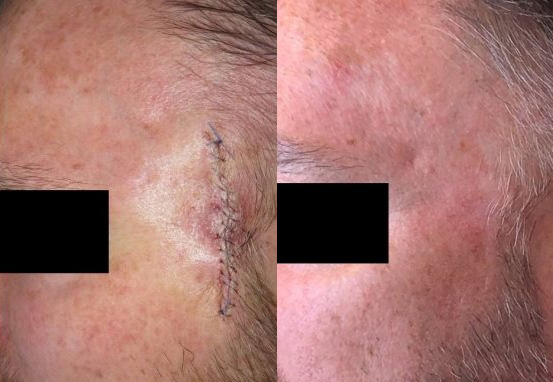
With the Mohs technique, physicians are able to see beyond the visible disease to precisely identify and remove the entire tumor layer by layer while leaving the surrounding healthy tissue intact and unharmed. As the most exact and precise method of tumor removal, it minimizes the chance of re-growth and lessens the potential for scarring or disfigurement.

Most patients who choose this technique require only a single surgery. It is ideal for skin cancer patients in Los Angeles looking for a procedure that maximizes results and minimizes impact.

What Types of Skin Cancer Does Mohs Treat?

Mohs micrographic surgery is primarily used to treat basal and squamous cell carcinomas, but can be used to treat less common tumors including melanoma.

Mohs Surgery is appropriate when:

  • The cancer is in an area where it is important to preserve healthy tissue for maximum functional and cosmetic result, such as eyelids, nose, ears, lips, fingers, toes, genitals;
  • The cancer was treated previously and recurred;
  • Scar tissue exists in the area of the cancer;
  • The cancer is large;
  • The edges of the cancer cannot be clearly defined;
  • The cancer is growing rapidly or uncontrollably.

Minimal Signs of Surgery

The Mohs technique is also the treatment of choice for cancers of the face and other sensitive areas as it relies on the accuracy of a microscopic surgical procedure to trace the edges of the cancer and ensure complete removal of all tumors down to the roots during the initial surgery.

This practice, used at Skin Care and Laser Physicians of Beverly Hills, results in a minimal amount of healthy tissue removal, reducing impact to the surrounding skin. Its benefits make it a preferred choice for optimizing the aesthetic outcome of skin cancer surgery.

More Details on Mohs

Mohs surgery is performed under local anesthesia and will typically last up to several hours. Since no two patients are the same, the estimated time frame and scope of the surgery will be determined at a consultation at Skin Care and Laser Physicians of Beverly Hills.

Once the cancer has been fully removed, you can talk with your physician about any potential reconstruction options, if they are necessary or desired.

After the successful surgery, you will also want to talk about and schedule some post-surgical visits and check-ups to be sure you are recovering as best as possible and that there are no recurrences of cancer. While Mohs surgery is highly effective at removing various cancers down to their roots, follow-up appointments are one more way to make sure that your skin stays healthy, and the rest of you does, too.

Our Los Angeles dermatology team prides itself on its professionalism and accessibility. To learn more about Mohs micrographic surgery, and to find out if it is the best choice for you, contact Skin Care and Laser Physicians of Beverly Hills.

For more information on Skin Cancer & Mohs Surgery

Coast Dermatology Medical Associates

June 27, 2022 by

Copyright © 2026 · Dynamik-Gen on Genesis Framework · WordPress · Log in
