Skin Care & Laser Physicians of Beverly Hills has been providing expert treatment for skin cancer in Los Angeles for nearly a decade, offering advanced care to patients in Beverly Hills and the surrounding communities.
Our physicians are Board-Certified in Dermatology and Fellowship-Trained in both Cosmetic Dermatology and Dermatologic (Mohs) Surgery, ensuring a level of expertise and precision that sets our practice apart.
When a skin biopsy confirms the presence of malignant cells, our dermatologists tailor a treatment plan based on the specific type, location, extent, and aggressiveness of the cancer—as well as the patient’s overall health. The primary goals of treatment are complete cancer removal, minimized risk of recurrence, preservation of healthy skin, and optimal cosmetic outcomes.
During your visit, we will perform a thorough evaluation to determine the most effective approach to both treat the cancer and maintain the natural appearance of your skin.
Ready to take the next step in skin cancer treatment at Los Angeles' Skin Care and Laser Physicians of Beverly Hills? Contact us online or call 310.246.0495.
Our physicians are Board-Certified Dermatologists with advanced Fellowship Training in cosmetic dermatology and dermatologic (Mohs) surgery—and they personally perform every procedure to ensure expert, individualized care.
Skin cancer is the result of abnormal cell growth in the outer layers of the skin, typically caused by damage to the DNA within those cells. This damage triggers mutations that lead to uncontrolled growth, often presenting as lesions, bumps, or rough patches that evolve over time. But what causes skin cancer, exactly? The most common culprit is prolonged exposure to ultraviolet (UV) radiation from the sun or tanning beds, which breaks down cellular DNA and impairs the skin’s natural repair mechanisms.
In addition to UV radiation, other skin cancer causes include fair skin, a history of sunburns, a weakened immune system, exposure to carcinogenic chemicals, and chronic inflammation or injury to the skin. Genetics can also play a role, particularly if you have a family history of skin cancer. While some risk factors can't be changed, many are controllable—and with proper sun protection and regular dermatologic screenings, skin cancer is often preventable and highly treatable when caught early.
At Skin Care & Laser Physicians of Beverly Hills, our Board-Certified and Cosmetic Fellowship-Trained Dermatologists combine expertise in skin cancer surgery with a commitment to cosmetic excellence and compassionate care. If you’ve noticed a suspicious spot or are due for your annual skin check, schedule a consultation today. Let’s work together toward skin cancer prevention, detection, and long-term skin health.
Recognizing the symptoms of skin cancer early is key to timely diagnosis and treatment. So, what does skin cancer look like? It often appears as a new or changing growth on the skin—such as a mole that changes shape or color, a rough or scaly patch, a non-healing sore, or a bump that bleeds or crusts. These signs may develop slowly over time or emerge more suddenly, depending on the type of skin cancer involved.
As for how skin cancer affects you, the impact varies by cancer type and how early it’s detected. In its early stages, skin cancer typically causes localized symptoms, such as a visible lesion or irritation in sun-exposed areas. Left untreated, some forms—like melanoma—can spread deeper into the skin and to other parts of the body, affecting lymph nodes and internal organs. This is why early detection is critical.
If you notice a skin change that doesn’t heal, bleeds repeatedly, or continues to evolve in shape, color, or size, it’s important to consult a board-certified dermatologist. Prompt evaluation and biopsy can distinguish harmless spots from cancerous lesions—and pave the way for effective treatment.
Recognizing the early signs of skin cancer can lead to faster diagnosis and more effective treatment. Dermatologists often recommend two key strategies to help identify suspicious spots: the ABCDEs of melanoma and the “ugly duckling” rule.
The ABCDEs are a simple, visual guide for evaluating moles and lesions:
In addition, the “ugly duckling” rule refers to spotting a mole or lesion that looks noticeably different from the others on your body. Most people have a pattern to their moles, so a mole that stands out—darker, larger, irregular—may be cause for concern.
Using both methods together can help you and your dermatologist catch skin cancer in its earliest, most treatable stages.
One of the most important steps in developing an effective skin cancer treatment plan is accurately identifying the type of skin cancer—if present. Suspicious moles, discolored or rough patches, and unusual growths may be signs of malignancy, but they can also be benign. A skin biopsy provides a definitive diagnosis by determining whether cancerous cells are present, allowing our Board-Certified and Cosmetic Fellowship-Trained Dermatologists to recommend the most appropriate treatment options based on clinical findings.
This is not only the most common form of skin cancer, it is the most common form of all cancers diagnosed in the United States each year. It gets its name from where it forms: in the basal cells, which sit at the bottom of the outermost layer of skin, known as the epidermis. Skin cancer treatment for basal cell carcinoma typically involves its removal, with Mohs being a very effective option, though topical or oral medications may also work to clear it up.
When cancer forms in certain cells found throughout the epidermis, it's known as squamous cell carcinoma. Less common than basal cell carcinoma, this form of cancer can more readily spread, but is still effectively treated by removing the cancerous cells. Again, Mohs proves to be a skin cancer treatment method that removes the malignant cells while preserving the greatest amount of healthy tissue.
The most deadly and aggressive form of skin cancer is also the least common. Melanoma forms in the cells that produce pigment, and—if not caught early— can soon spread to other organs and systems throughout the body. Mohs is a possible solution, and the physicians at Skin Care & Laser Physicians of Beverly Hills offer skin cancer treatment options that make use of modern technology and techniques tailored to each specific patient.
Actinic keratosis is a precancerous lesion caused by cumulative sun exposure, often seen as rough, scaly patches in sun-exposed areas. Though not cancerous, these lesions may evolve into squamous cell carcinoma if untreated.
Key differences:
Regular check-ups can help distinguish between these conditions and ensure timely care.
Yes. While basal cell carcinoma typically remains localized, squamous cell carcinoma and especially melanoma can spread to lymph nodes and distant organs if not treated promptly.
Some skin cancers may cause itching, tenderness, or irritation, though many remain painless. Any persistent skin change should be evaluated.
Melanoma is the most dangerous form due to its aggressive nature and high risk of spreading throughout the body.
Look for new or changing lesions, non-healing sores, irregular moles, or patches that bleed, crust, or grow over time.
Most early-stage skin cancers cause only localized symptoms, such as a bump or sore. Advanced cases may lead to fatigue or swollen lymph nodes.
A suspicious mole may be asymmetrical, have uneven borders, multiple colors, or change in size. Rapid evolution is a warning sign.
One of our dermatologists will perform further evaluation and recommend treatment—typically surgical skin cancer removal—based on the cancer type and severity.
Use daily SPF, avoid tanning beds, cover exposed skin, and schedule yearly dermatology exams to detect skin changes early.
While advancements in modern dermatologic oncology have made it possible to treat skin cancer with outcomes that prioritize both medical efficacy and cosmetic preservation, the most effective strategy remains prevention. Minimizing risk factors and raising skin cancer awareness are critical components of long-term skin health monitoring and cancer-free outcomes.
Ultraviolet (UV) radiation is one of the leading skin cancer causes and a well- documented contributor to both melanoma and non-melanoma skin cancer. Both intermittent, high-intensity exposure—such as severe sunburns—and chronic, cumulative exposure from daily outdoor activities can damage the skin over time. Individuals who experienced frequent sunburns during childhood or spent extended periods in the sun without protection are at increased risk, especially if skin lesion evaluation has never been performed.
As part of comprehensive skin cancer prevention and detection, it’s important to incorporate sun safety measures into everyday life. Children and adults alike should apply a broad-spectrum sunscreen with an SPF of at least 30, 15 minutes before sun exposure—even on overcast days. UV rays are potent enough to penetrate clouds and cause cellular damage. Complementary physical barriers, such as wide-brimmed hats, UV-protective clothing, and sunglasses, offer additional layers of defense
When applying sunscreen, don’t overlook areas often missed during routine application. The tops of the ears, scalp, lips, and feet are all susceptible to sun damage and are frequent sites for suspicious moles and lesions that warrant a professional skin lesion evaluation or skin biopsy procedure.
It’s important to note that skin cancer can also develop in areas not typically exposed to sunlight. While consistent sun protection significantly reduces the likelihood of developing malignancies, no method offers complete immunity. Routine full-body skin exams, performed by a board-certified dermatologist specializing in dermatologic care in Los Angeles, are essential for early detection and intervention
By staying informed about skin cancer symptoms and risk factors, and by practicing consistent protective habits, patients can take a proactive role in preserving their long-term skin health.
While prevention serves as the first and most powerful line of defense against skin cancer, early detection comes a close second—often making the critical difference in patient outcomes. Identifying malignant cells before they have the chance to grow or spread allows your physician to initiate targeted skin cancer treatment at the most manageable stage, improving both prognosis and cosmetic results.
Every skin cancer prevention strategy should include annual full-body skin exams with a board-certified dermatologist. These routine visits support ongoing skin health monitoring and give your provider the opportunity to detect suspicious moles or lesions early. If needed, a prompt skin biopsy procedure can confirm the diagnosis and guide timely, effective treatment.
In addition to expert diagnosis and treatment of skin cancer, the team at Skin Care & Laser Physicians of Beverly Hills offers comprehensive surgical and medical dermatology services for a wide range of concerns. Our board- certified dermatologists regularly treat chronic skin conditions such as acne, rosacea, and psoriasis, as well as pigmentary disorders and birthmarks, and a variety of other concerns. We also address issues affecting the hair and nails, including hair loss and nail disorders, with personalized treatment plans tailored to each patient’s needs. Whether medical or cosmetic in nature, our goal is to restore skin health, comfort, and confidence
If you’re ready to learn more about removing cancerous lesions and exploring your options for skin cancer treatment at Los Angeles' Skin Care and Laser Physicians of Beverly Hills, we invite you to schedule a consultation online or contact our office directly at 310.246.0495. Our team is here to answer your questions and guide you toward expert, personalized care.

See the advanced approaches our Skin Care and Laser Physicians of Beverly Hills team uses to help you Relax, Refill, Resurface, and Reduce. Explore the contributions of Dr. Derek Jones and his team in making some of the most sought-after treatments accessible to the public.
Get "inside" information on a wide range of treatments and procedures available at our practice on our regularly updated blog. We also provide tips and advice for maximizing and prolonging your results to maximize skin health and beauty.
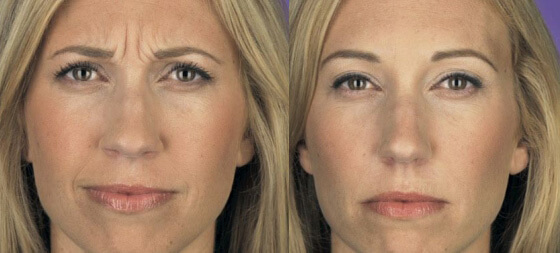 *Patient results may vary.
Our photo gallery shows the results that injectables, lasers and light-based treatments, and other cosmetic options can provide. From reducing fat and smoothing wrinkles to minimizing scars from skin cancer removal, take a look at what we can do to help.
As an aesthetic and surgical dermatologist trained in Mohs micrographic surgery for skin cancer removal, Dr. Naissan Wesley is a highly sought-after source on the subject of skin. Read her articles and see who's talking about her on her media page.
SKIN CARE & LASER PHYSICIANS OF BEVERLY HILLS - 9201 W. Sunset Blvd. Suite 602, Los Angeles, CA 90069 US 310.246.0495
Stay up to date on the Skin Care & Laser Physicians of Beverly Hills happenings by following us on Facebook, Twitter, Instagram, and more.

Copyright 2025 Dr. Derek Jones Skin Care and Laser
Dr. Derek H. Jones heads Skin Care and Laser Physicians of Beverly Hills, offering aesthetic dermatology, including BOTOX®, Juvéderm®, Kybella™, laser skin resurfacing, and CoolSculpting®, as well as surgical and medical dermatology, including skin cancer, acne, and rosacea treatments, to Los Angeles, Beverly Hills, West Hollywood, and beyond.

 Videos
 Gallery
 Media
Media